Reading the fine print used to be easy. Then, one day, it wasn't. My arms suddenly weren't long enough to read a menu. I knew it was time for reading glasses. My first thought was to go cheap. I figured, "How different can they be?" That was a huge mistake.
My journey to find the right magnification eyeglasses had three main stages. I started with the cheapest options possible, moved to the mid-range, and finally landed on a premium pair that changed everything. If you're tired of headaches and flimsy frames, this is for you.
At first, I thought I should get a professional exam from a budget vision center. It was a disaster. The wait was incredibly long. When I finally got called back, the exam rooms smelled strongly of cigarette smoke. It was very unpleasant.
The staff seemed lost and struggled to operate their own equipment. After the initial exams, they told me everything needed to be redone. To make it worse, there was no doctor on site. I was told it would be a "tele-health" visit and I'd have to wait another 45 minutes for a virtual doctor to become available. I walked out without a prescription, having wasted hours of my day.
A friend shared a similar story. Her 13-year-old daughter went into a location to ask about contacts. The employee was rude, didn't greet her, and just demanded to take her temperature. When my friend called the manager to explain how her young daughter was treated, the manager was cold and dismissive. She just said they were "busy" and offered a weak apology.
After these experiences, I gave up on cheap services. I just went to a drugstore and grabbed a $10 pair of readers off the rack. They were terrible.
Verdict: The cheapest option is rarely the best. Bad service and low-quality products cost you more in time, frustration, and physical discomfort. Don't make the same mistake I did.
I couldn't stand the cheap glasses anymore. I decided to upgrade and spend a little more, around $40. I found a pair at a department store that looked more serious. They had a metal frame and seemed sturdier.
They were... okay. This was a definite step up from the $10 pair, but they were far from perfect. The metal frame, while stronger, was also much heavier. It constantly slid down my nose and left red marks on the bridge. The lenses were a bit clearer, but I noticed a lot of glare when I used my computer or phone. It was distracting and still caused some eye strain.
I wore them for a few months, but I was never happy. They did the basic job of helping me read, but I was always aware of them on my face. They weren't comfortable enough for long work sessions or for getting lost in a good book.
Verdict: Mid-range glasses solve the durability problem but often fail on comfort and advanced features. They get the job done but come with compromises you'll notice every day.
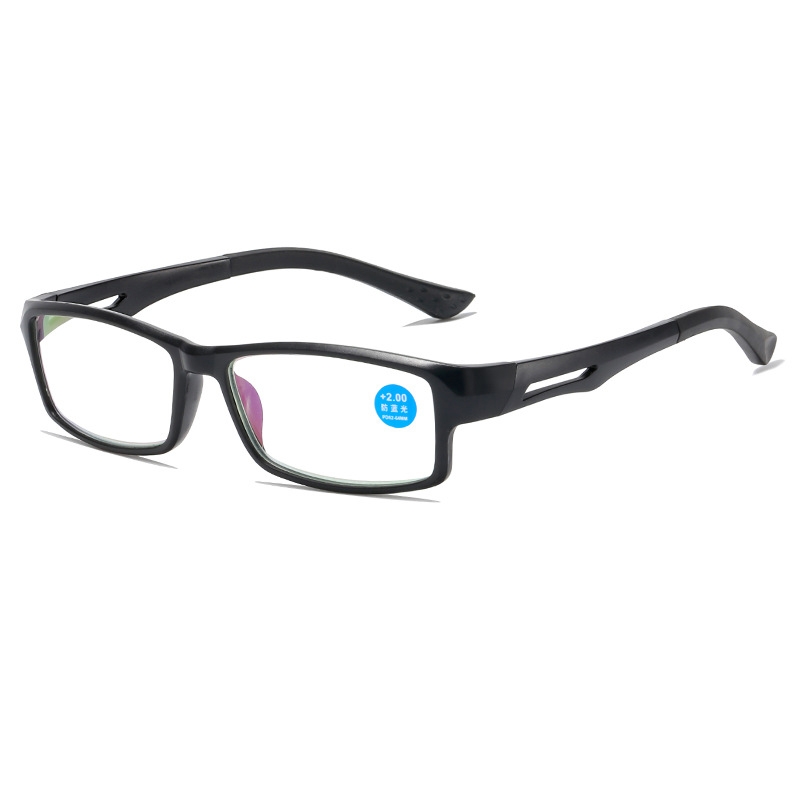
I was done with "just okay." I realized I use my reading glasses every single day, for hours at a time. It was worth investing in something genuinely good. I started doing real research online, reading reviews, and looking for brands that focused on quality. That's how I found Mozaer and their Zilead Patchwork Anti Blue Light Reading Glasses.